
The AdaptiM3D Team: Innovating 3D Pharmaceutical Printing

The treatment of disease using drugs requires prompt drug supply to the patient once a diagnosis is available. The traditional route is based around consultation by a doctor, prescription provision and medication dispensing by a pharmacist. Historically pharmacists compounded the medication at the pharmacy, but since the 1950’s there has been a trend of industrial pharmaceutical manufacture within dedicated large scale facilities. From the patients and pharmacists perspective this simplified the process but hid the problems created for the industrial teams around scaled up manufacturing processes coupled with time and resources required. This one size approach has never been optimal especially in situations where speed to patient is critical or bespoke products are necessary.
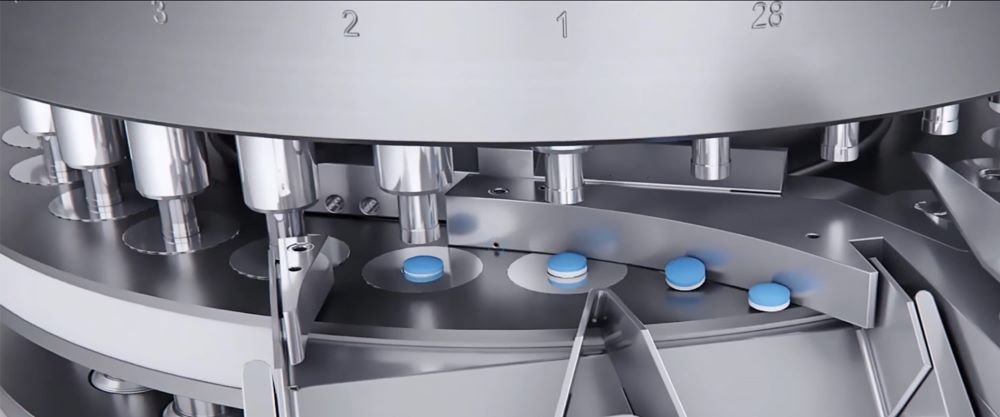
Within AdaptiM3D Professors Halbert and Robertson have over 50 year experience of industrialised pharmaceutical manufacture across a spectrum of scenarios. Professor Robertson has worked in multinational pharmaceutical companies in development and deployment of strategic and disruptive manufacturing technologies across an array of drug delivery approaches (oral, inhaled, transdermal, steriles). Professor Halbert has experience of pharmaceutically progressing over 60 novel anticancer agents into clinical trial across a range of formulation and product types including temozolomide and abiraterone acetate. This combined experience of the myriad issues around industrial pharmaceutical manufacture is the foundation for the AdaptiM3D innovation. Professor Halbert’s states that, “project managers never understood why a simple tablet was not simple”.
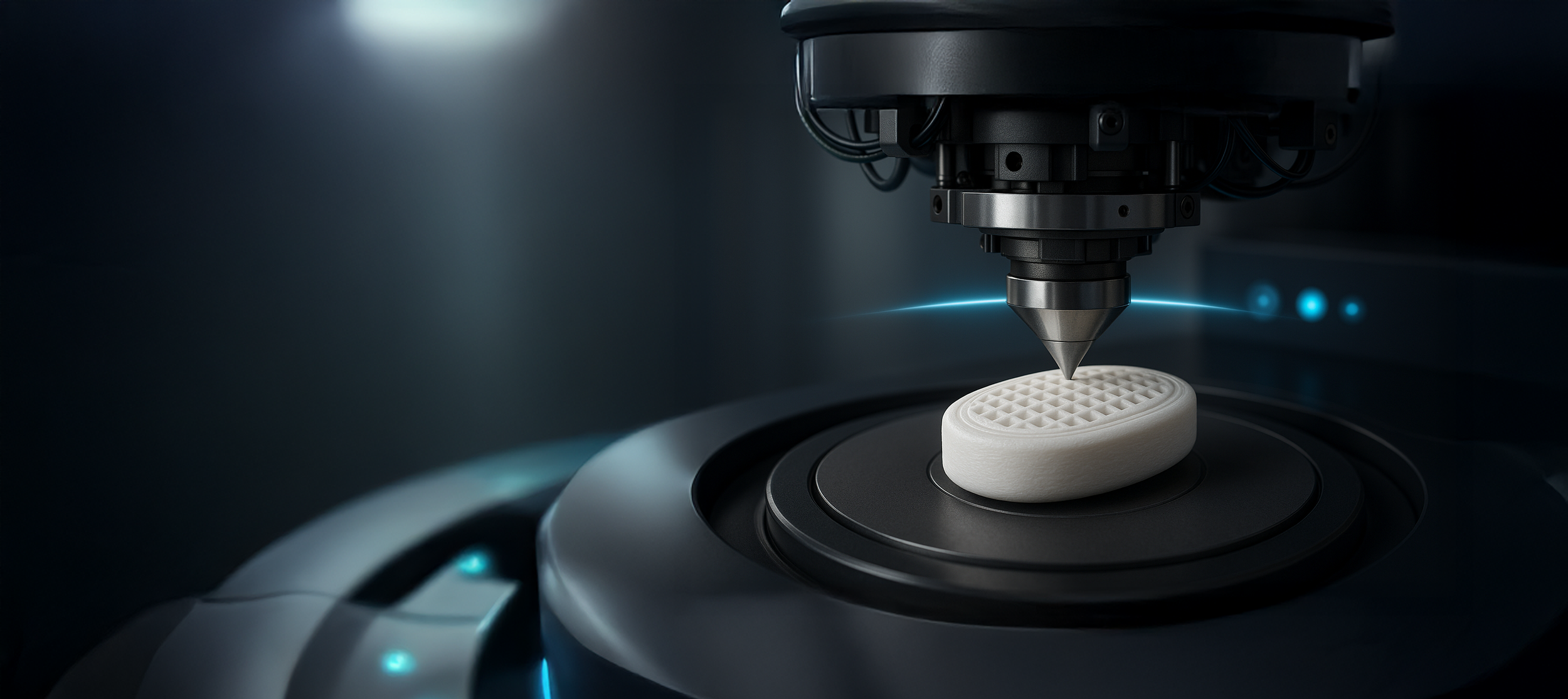
In the 2000’s Professors Florence, Halbert and Robertson in the EPSRC Future CMAC Manufacturing Research Hub started working on 3D printing of medicinal products, to remove production issues and increase speed. The teams’ experience quickly spotted that applying standard 3D printing technology would compound and repeat the production issues introduced during the initial industrialisation transition. However, by innovating using a combination of continuous processing with 3DP technologies the team developed the AdaptiM3D process. This provides a simple, agile approach producing tablets using 3D printing is a single manufacturing stage requiring only a polymer and the drug.
In order to commercialise the AdaptiM3D technology the team has been joined by Dr Mark Wilson a business development professional with over 20 years of experience of technology divestment and spin-out activity at SR One (GSK’s venture fund) deal and alliance management experience at GSK. This combination will lead AdaptiM3D into the future based around further process improvement and intensification developments and collaboration and business growth through partners who will benefit from the technology.
The AdaptiM3D process is a key innovation but has to synergise with individual project requirements. A critical team attribute, gained from development experience is the ability to merge technology and project to optimise progress. Subsequent articles will highlight how the teams experience will assist development.
Next in this series…Professor Gavin Halbert’s pan-pharmacy experience getting drugs to patients.